

-
 The History and Evolution of Addyi in Women's Health
Origins of Addyi in Women's Health
The development of Addyi in women's health was spurred by a growing recognition of the unmet needs of women struggling with hypoactive sexual desire disorder (HSDD). The journey of this medication began with a deep dive into understanding the complex interplay of physiological, psychological, and social factors contributing to women's sexual health. By delving into the intricate nuances of female sexuality, researchers aimed to pave the way for a groundbreaking treatment that would address this often overlooked aspect of women's well-being.
In the table below, I have highlighted key milestones in the origins of Addyi in women's health:
| Milestone | Description | |-------------------------------------|------------------------------------------------------------------------------------------| | Research and Development | Extensive studies exploring female sexual desire and identifying the need for targeted treatment | | Clinical Trials | Rigorous testing to evaluate the efficacy and safety of Addyi in women with HSDD | | FDA Approval | Regulatory approval marking a significant step towards addressing women's sexual health |
This innovative approach brought Addyi to the forefront of women's health, challenging traditional norms and ushering in a new era of focus on female sexual wellness.
Fda Approval and Controversy
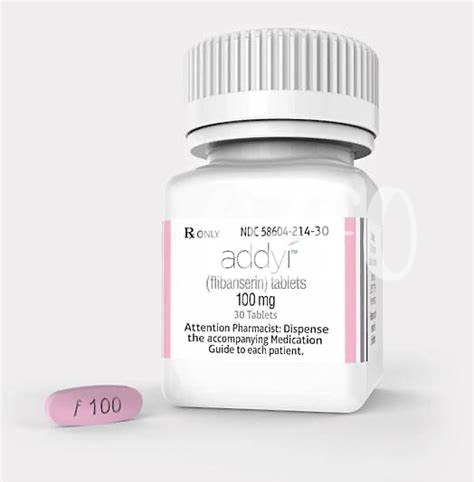
Addyi faced a lengthy and contentious journey to obtain FDA approval. The initial submission was met with skepticism and resistance, leading to an extended review process. Controversies surrounding the drug's safety profile, efficacy data, and potential side effects further complicated the approval process. Despite these challenges, Addyi eventually received the green light from the FDA, albeit with stringent prescribing restrictions in place. The approval marked a significant milestone in the realm of women's health, paving the way for future discussions and developments in addressing female sexual dysfunction.
Clinical Efficacy and Safety Studies
Addyi's clinical efficacy and safety have been extensively studied through rigorous trials. Researchers have delved into the drug's impact on female sexual dysfunction, exploring its potential to address this prevalent issue. Findings from these studies have shed light on Addyi's effectiveness in improving sexual desire and satisfaction among women. Moreover, safety evaluations have been conducted to assess any adverse effects and ensure the well-being of users. The results have provided valuable insights into the overall benefits and risks associated with Addyi, guiding healthcare providers in making informed decisions regarding its prescription and management.
Market Response and Accessibility
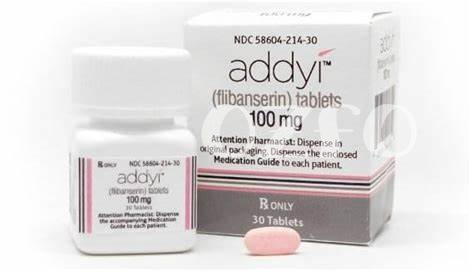
Market response to Addyi has been swift and intriguing, with many women expressing a keen interest in this innovative medication. Despite initial challenges in availability, pharmacies have adapted to meet the demand, ensuring that women have access to this groundbreaking treatment. The introduction of Addyi has sparked conversations not only in the medical community but also among women seeking solutions for their health concerns. As pharmacies navigate the landscape of new prescriptions and patient inquiries, the accessibility of Addyi continues to grow, promising a significant impact on women's health and well-being in the future.
Ongoing Research and Future Prospects
Addyi's ongoing research focuses on expanding its application beyond female sexual dysfunction. Studies explore potential benefits for menopausal symptoms and other women's health issues. Research also delves into optimizing dosing regimens and identifying any long-term effects. Future prospects for Addyi include potential FDA approvals for new indications and formulations, enhancing its accessibility and market reach. As ongoing research continues to uncover the full potential of Addyi, the medication's role in women's health is poised to evolve significantly.
---
| Ongoing Research and Future Prospects | |---------------------------------------| | Addyi's ongoing research focuses on expanding its application beyond female sexual dysfunction. Studies explore potential benefits for menopausal symptoms and other women's health issues. Research also delves into optimizing dosing regimens and identifying any long-term effects. Future prospects for Addyi include potential FDA approvals for new indications and formulations, enhancing its accessibility and market reach. As ongoing research continues to uncover the full potential of Addyi, the medication's role in women's health is poised to evolve significantly. |
Cultural Impact and Societal Perception
The introduction of Addyi in women's health has not only sparked medical discussions but has also significantly influenced cultural perceptions and societal attitudes towards female sexuality and desire. Addyi's emergence as a medication addressing female sexual dysfunction has challenged traditional gender norms and taboos regarding women's sexual health. This shift in the treatment landscape has prompted broader conversations about the importance of addressing women's sexual well-being and empowerment. As Addyi continues to navigate the complex intersection between medicine and culture, it serves as a symbol of progress towards a more inclusive and holistic approach to women's health.
The introduction of Addyi in women's health has brought to light the societal stigma and misconceptions surrounding female sexual desire and dysfunction. By addressing these issues head-on, Addyi has played a crucial role in reshaping societal perceptions of women's sexuality and promoting a more open and informed dialogue. This cultural impact is evident in the growing acceptance and recognition of female sexual health as a legitimate and important aspect of overall well-being. As Addyi's presence expands in the healthcare landscape, it serves as a catalyst for broader societal shifts towards a more nuanced understanding of women's sexual health needs.
The cultural impact of Addyi extends beyond individual perceptions to influence broader societal discussions on gender equality and healthcare access. By focusing on women's sexual health in a comprehensive and respectful manner, Addyi has highlighted the need for inclusivity and diversity in medical research and treatment approaches. This shift towards a more holistic view of women's health challenges traditional narratives and empowers women to seek treatment and support for issues related to sexual dysfunction. As Addyi's influence continues to ripple through cultural norms and societal structures, it paves the way for a more equitable and inclusive healthcare system.
Celebrating our members

He was first drawn to the field of psychiatry during his years in medical school as he found the psychiatric subject matter and the patients to be the most engaging and interesting of all his studies. He quickly came to realize that without a healthy mind, one is unable to thoroughly experience life constructive way. He wanted to be the person to help those struggling with mental illness as he found these cases and experiences to be the most rewarding in medicine.
Dr. Crookham said he has been lucky enough to have been matched at a great psychiatric residency program where he gets to learn from great mentors and colleagues every day. He believes his passion for psychiatry along with the relationships he's developed with his colleagues and mentors will carry him to be a lifelong learner and devoted psychiatrist for his future patients.
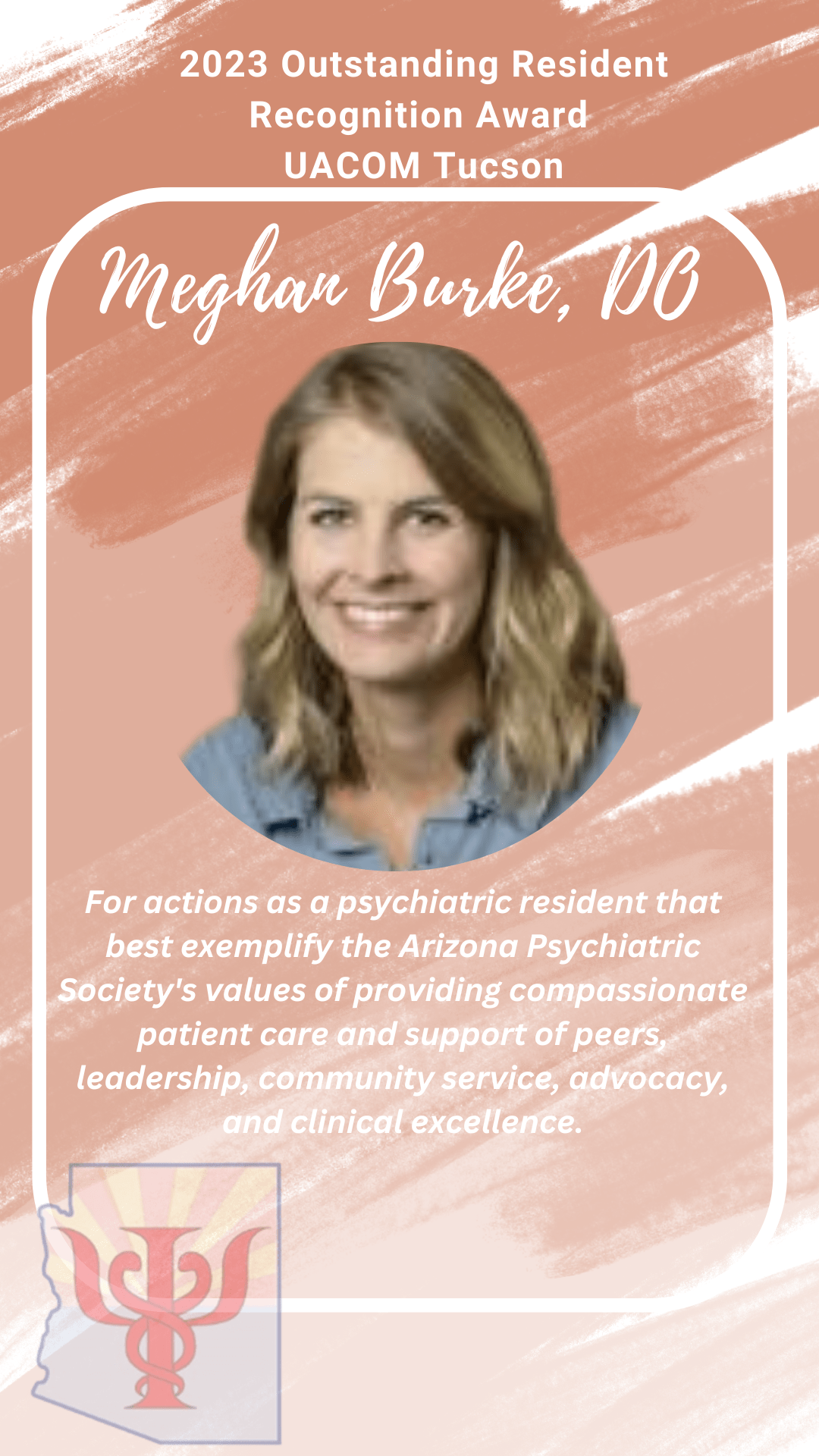
She received her Bachelor of Arts from the University of Denver in French and Biology with a concentration in Cognitive Neuroscience.
She is currently a chief resident at UACOM-Tucson in her final year of psychiatry training and will be starting a fellowship in Addiction Medicine at the University of Arizona, Tucson in July.
Her professional interests include physician mental health, adult consult liaison and addiction psychiatry.
In her personal time, she enjoys home design projects, spending time with family, learning about plants, and exploring new places.
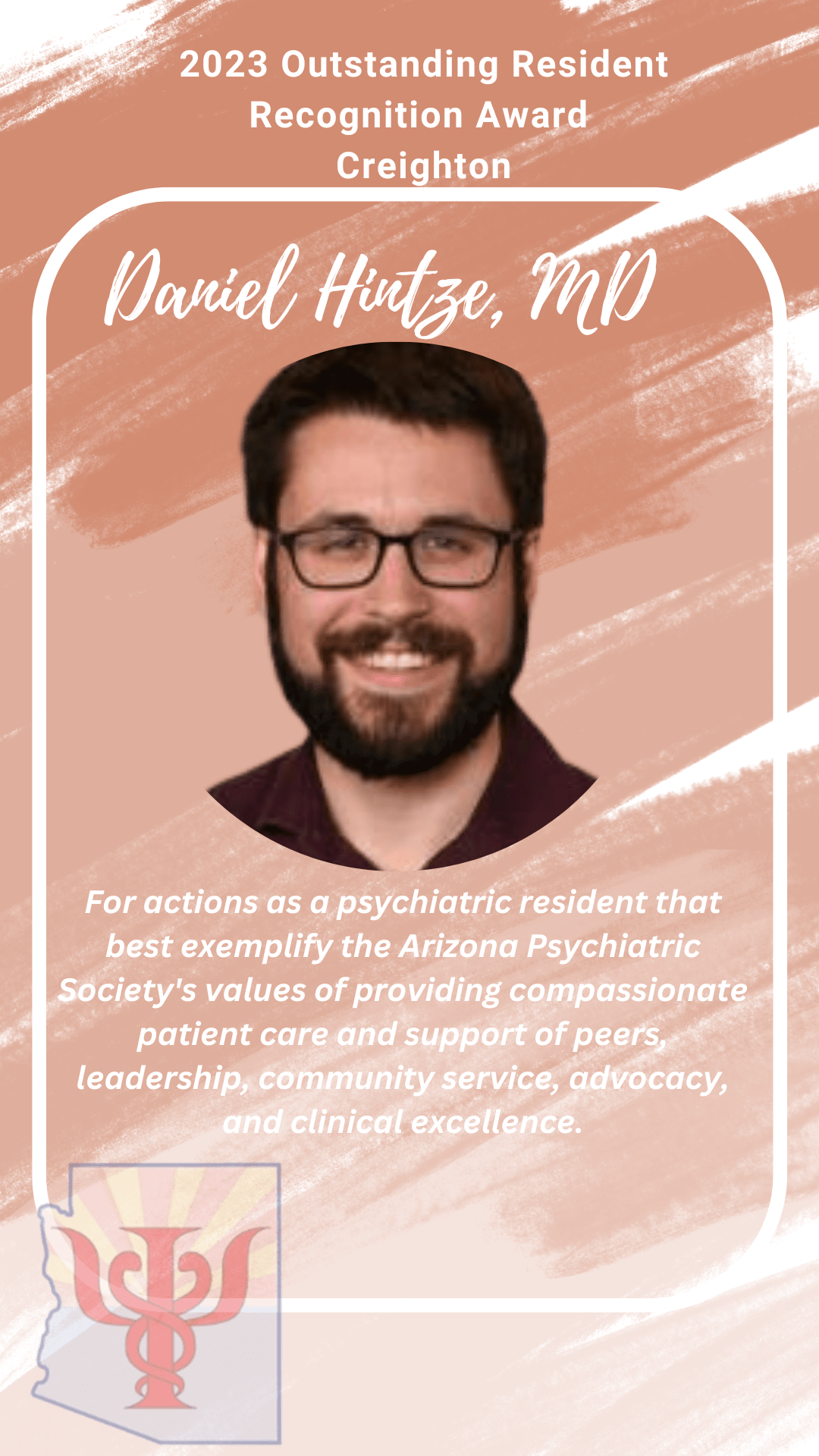
Danny is originally from Phoenix. Graduated from Brophy, ASU, and UA Tucson Medical School. His background is in economics, philosophy of science, and rational decision-making.
He was drawn to psychiatry because of the conceptual complexity and the profound impact even relatively simple pharmaceutical, medical, and psychotherapeutic interventions can have to empower patients and their families.
As a mentor, he wanted to recognize the many people within the Arizona Medical Community, particularly at UA Tucson, Valleywise, and within organized medicine who have worked to protect and promote medicine as a joyful, compassionate, and healing experience for patients and for all of us who help care for them.