

-
 History of Ventolin: Evolution of Asthma Relief
Early Remedies: Ancient Treatments for Asthma
In the ancient world, asthma was a mysterious and often debilitating condition, inspiring a variety of remedies across cultures. Egyptians were among the first to document treatments, using a combination of herbs and heated stones to alleviate breathing difficulties. Meanwhile, in traditional Chinese medicine, practitioners turned to acupuncture and plant-based concoctions, believing that balancing the body's Qi energy could relieve symptoms.
Civilization Treatment Egyptians Herbs and heated stones Chinese Acupuncture and plant-based concoctions In medieval Europe, asthma was often treated with potions made from ingredients like fox lungs, hoping to harness the animal’s reputed vitality. Though these early methods varied widely, they shared a common goal: to provide relief for those who struggled for breath, laying the groundwork for future advancements.
Discovery of Salbutamol: a Breakthrough in Medicine
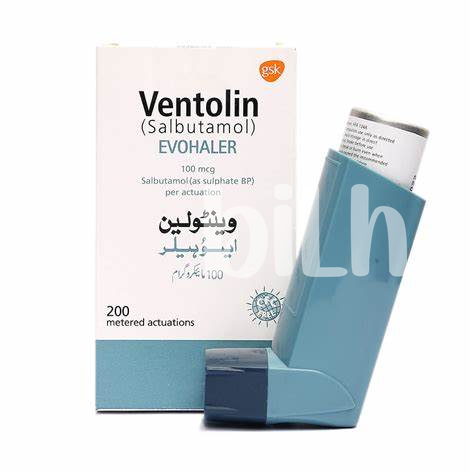
In the mid-20th century, a pivotal moment in respiratory medicine emerged with the synthesis of salbutamol, the active ingredient in Ventolin. Scientists aimed to develop a more selective bronchodilator that would provide rapid relief from asthma symptoms with fewer side effects. By specifically targeting beta-2 adrenergic receptors in the lungs, salbutamol achieved unprecedented bronchodilation, changing asthma management for millions.
Ventolin revolutionized the approach to asthma treatment by offering an effective solution in a convenient inhaler form. This innovation not only enhanced immediate symptom control but also empowered individuals to lead more active lives. The success of Ventolin as an accessible, reliable rescue inhaler underscored the importance of continuous advancements in drug development to improve patient outcomes.
The Rise of Ventolin: Revolutionizing Inhaler Technology
In the mid-20th century, the medical community witnessed a remarkable shift in asthma management with the introduction of Ventolin. Unlike its predecessors, Ventolin made use of advanced aerosol technology, which permitted rapid delivery of its active ingredient, salbutamol, directly to the lungs. This precision was revolutionary, offering patients nearly immediate relief from asthma symptoms, something that traditional remedies struggled to achieve.
As Ventolin became widely available, it quickly gained favor for its reliability and ease of use. The compact size of the inhaler allowed patients to carry it wherever they went, providing them with a newfound sense of independence. This shift not only transformed asthma care on an individual level but also set a new standard for inhaler technology.
The success of Ventolin paved the way for further innovations in asthma treatment. It demonstrated that with the right approach, medical devices could be both user-friendly and highly effective. This encouraged pharmaceutical companies to invest in research, fostering advancements that continue to improve the quality of life for asthma sufferers around the globe.
Clinical Trials and Initial Acceptance Dynamics
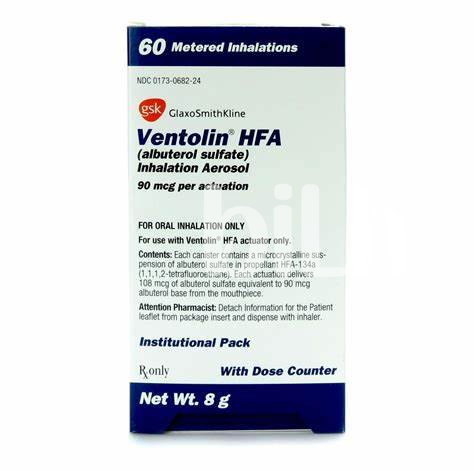
During the rigorous clinical trials of Ventolin, researchers explored not only its effectiveness but also its safety for widespread use. These trials marked a significant turning point in asthma treatment, showcasing the innovative drug as a reliable option for quick relief from asthma symptoms. Medical professionals observed substantial improvements in patients, which contributed to its swift acceptance within the medical community. The compelling results from trials helped Ventolin gain trust among doctors and patients alike, making it a staple in asthma management worldwide.
Ventolin's Impact on Everyday Life and Mobility
Ventolin has transformed the way individuals manage asthma, enabling more active lifestyles and improved mobility. Before its introduction, asthma sufferers often faced limitations in physical activities and daily routines. Ventolin inhalers provided immediate relief, allowing people to embrace spontaneity and participate in activities previously hindered by the unpredictability of asthma symptoms. This accessibility to quick treatment empowerment has been life-changing, fostering independence and confidence.
Aspect Impact Accessibility Immediate relief allows for spontaneous activity participation. Mobility Enhances independence and confidence in daily life. Quality of Life Fosters an active lifestyle and reduces asthma-related stress. Over time, Ventolin has become a staple in asthma management, symbolizing freedom from constraints once imposed by the condition. This revolution in asthma care has not only improved physical health outcomes but also provided significant psychological benefits, reducing the anxiety associated with sudden asthma attacks. As a result, individuals have more opportunities to engage with their communities, all while maintaining an enhanced quality of life.
Future Innovations: What Lies Ahead for Asthma Relief
As we look to the future, the landscape of asthma relief is poised for transformation, driven by cutting-edge innovations. Smart inhalers, integrated with digital technology, promise personalized treatment by tracking usage and symptoms, offering insights that can refine patient management. Furthermore, advancements in biologic therapies are targeting the root causes of asthma, offering hope for those with severe cases that standard inhalers cannot adequately address.
Gene therapy is another frontier, with the potential to modify the genetic predispositions that contribute to asthma, thus providing a long-term solution rather than temporary relief. As research progresses, the integration of artificial intelligence into healthcare platforms may enable real-time monitoring and predictive analytics, reducing the frequency and severity of asthma attacks. Collectively, these advancements beckon a future where asthma may transform from a chronic burden into a manageable condition.
Celebrating our members

He was first drawn to the field of psychiatry during his years in medical school as he found the psychiatric subject matter and the patients to be the most engaging and interesting of all his studies. He quickly came to realize that without a healthy mind, one is unable to thoroughly experience life constructive way. He wanted to be the person to help those struggling with mental illness as he found these cases and experiences to be the most rewarding in medicine.
Dr. Crookham said he has been lucky enough to have been matched at a great psychiatric residency program where he gets to learn from great mentors and colleagues every day. He believes his passion for psychiatry along with the relationships he's developed with his colleagues and mentors will carry him to be a lifelong learner and devoted psychiatrist for his future patients.
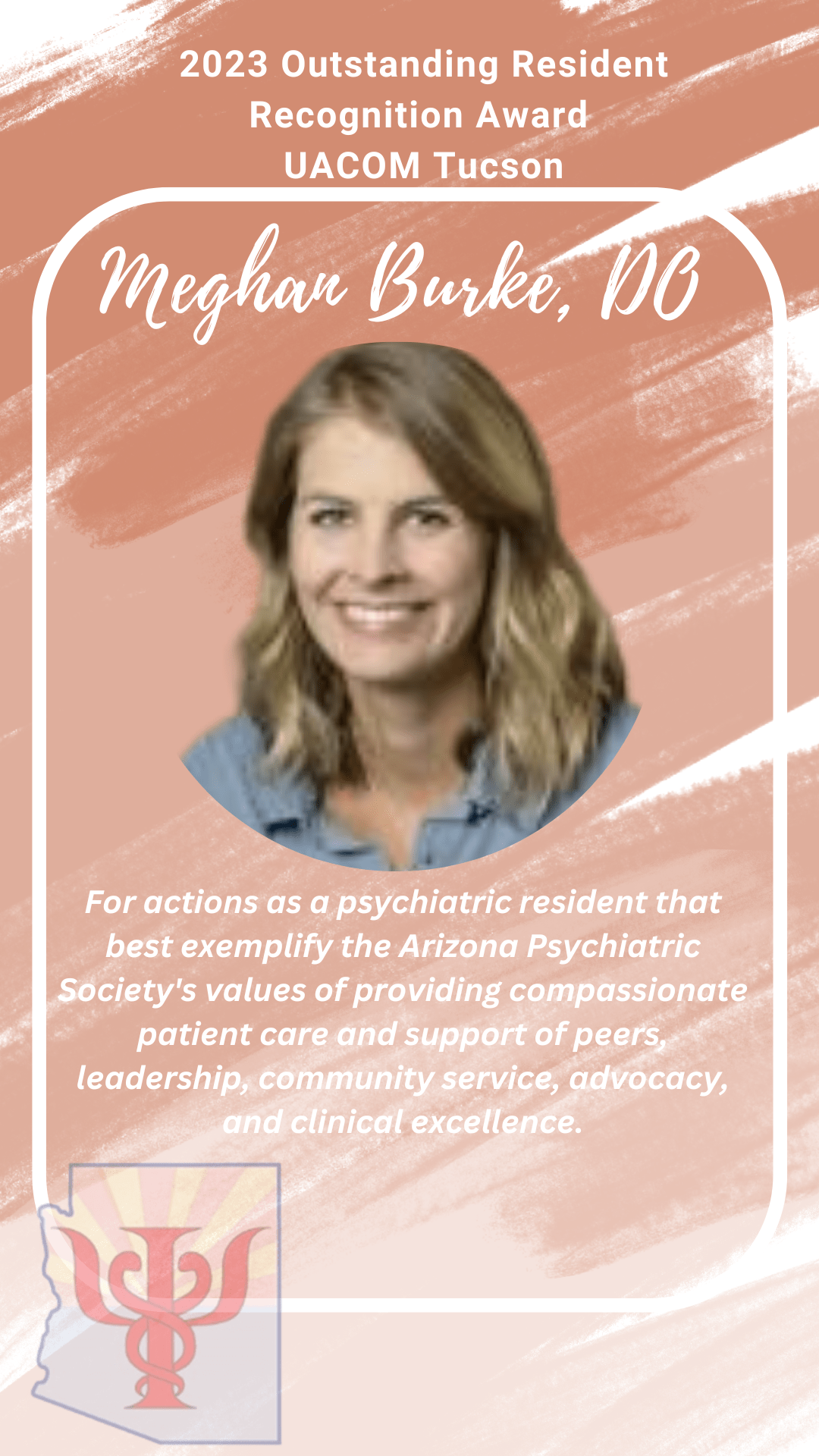
She received her Bachelor of Arts from the University of Denver in French and Biology with a concentration in Cognitive Neuroscience.
She is currently a chief resident at UACOM-Tucson in her final year of psychiatry training and will be starting a fellowship in Addiction Medicine at the University of Arizona, Tucson in July.
Her professional interests include physician mental health, adult consult liaison and addiction psychiatry.
In her personal time, she enjoys home design projects, spending time with family, learning about plants, and exploring new places.
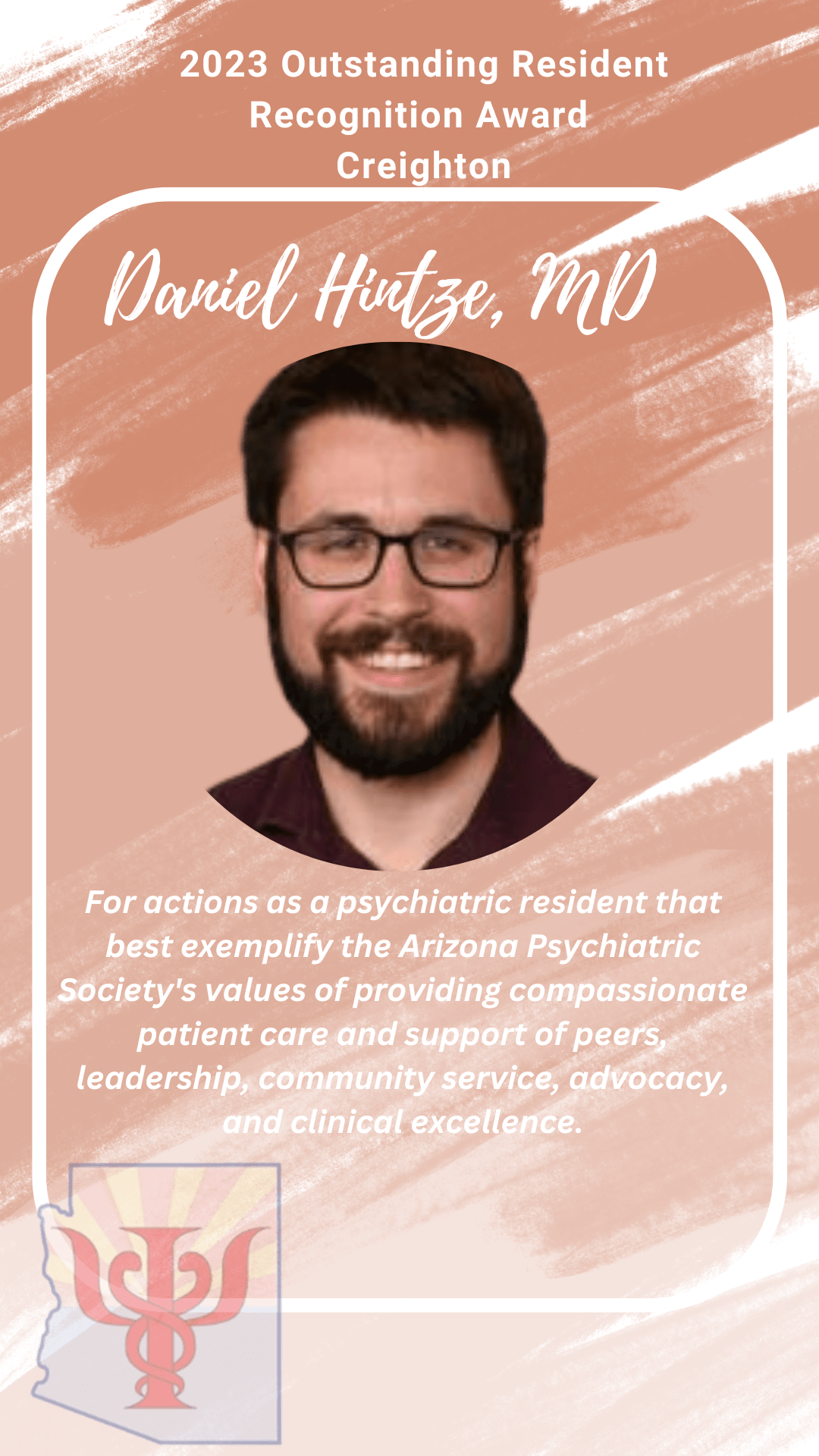
Danny is originally from Phoenix. Graduated from Brophy, ASU, and UA Tucson Medical School. His background is in economics, philosophy of science, and rational decision-making.
He was drawn to psychiatry because of the conceptual complexity and the profound impact even relatively simple pharmaceutical, medical, and psychotherapeutic interventions can have to empower patients and their families.
As a mentor, he wanted to recognize the many people within the Arizona Medical Community, particularly at UA Tucson, Valleywise, and within organized medicine who have worked to protect and promote medicine as a joyful, compassionate, and healing experience for patients and for all of us who help care for them.